
Salads are often seen as the gold standard of healthy eating. They are colorful, fresh, and loaded with vegetables, making them a popular choice for people trying to lose weight, improve digestion, and increase their intake of vitamins and minerals. But here’s the truth: not every salad is as healthy as it seems. In fact, several common mistakes can quietly turn a nutrient-rich meal into a calorie-heavy, sugar-loaded dish.
- Why Salads Are Considered Healthy
- 1. Using Too Much Salad Dressing
- 2. Adding Too Many High-Calorie Toppings
- 3. Skipping Protein
- 4. Forgetting Healthy Fats
- 5. Relying on Iceberg Lettuce Alone
- 6. Not Including Enough Variety
- 7. Choosing Fried or Processed Protein
- 8. Ignoring Portion Size
- 9. Buying Pre-Packaged Salads Without Checking Labels
- 10. Thinking Salad Alone Guarantees Weight Loss
- Tips for Building a Truly Healthy Salad
If you want to get the full health benefits of your salad, it’s important to know what to avoid. In this article, we’ll explore the most common salad mistakes, how they affect your health, and practical ways to build a truly nourishing bowl.
Food brings people together on many different levels. It’s nourishment of the soul and body; it’s truly love.
Giada De Laurentiis
Why Salads Are Considered Healthy
A well-balanced salad can be an excellent source of fiber, antioxidants, healthy fats, and plant-based nutrients. Eating more vegetables has been linked with a lower risk of heart disease, obesity, and type 2 diabetes. According to the World Health Organization, a healthy diet rich in fruits and vegetables helps protect against many chronic diseases.
Salads can also support hydration, improve digestion, and help maintain energy levels throughout the day. However, the ingredients and preparation method matter just as much as the greens themselves.

1. Using Too Much Salad Dressing
One of the biggest mistakes people make is pouring on too much dressing. While dressing adds flavor, many store-bought options are high in sugar, sodium, preservatives, and unhealthy fats. A healthy salad can quickly become less nutritious when drenched in creamy Caesar, ranch, or sweet vinaigrettes.
Why It Matters
Excessive dressing can add hundreds of calories to your meal. Some bottled dressings also contain added sugars and artificial ingredients that may reduce the overall quality of your meal.
Better Option
Choose olive oil-based dressings with simple ingredients. A homemade mix of extra virgin olive oil, lemon juice, mustard, and herbs is a much healthier option. The American Heart Association recommends healthier fats such as olive oil over saturated and trans fats.
2. Adding Too Many High-Calorie Toppings
Toppings like croutons, fried noodles, bacon bits, shredded cheese, and candied nuts may make your salad tastier, but they can also significantly increase calories, sodium, and unhealthy fats.
Why It Matters
Many people think that because they are eating salad, they can add anything they want. But too many rich toppings can turn a light meal into something closer to fast food.
Better Option
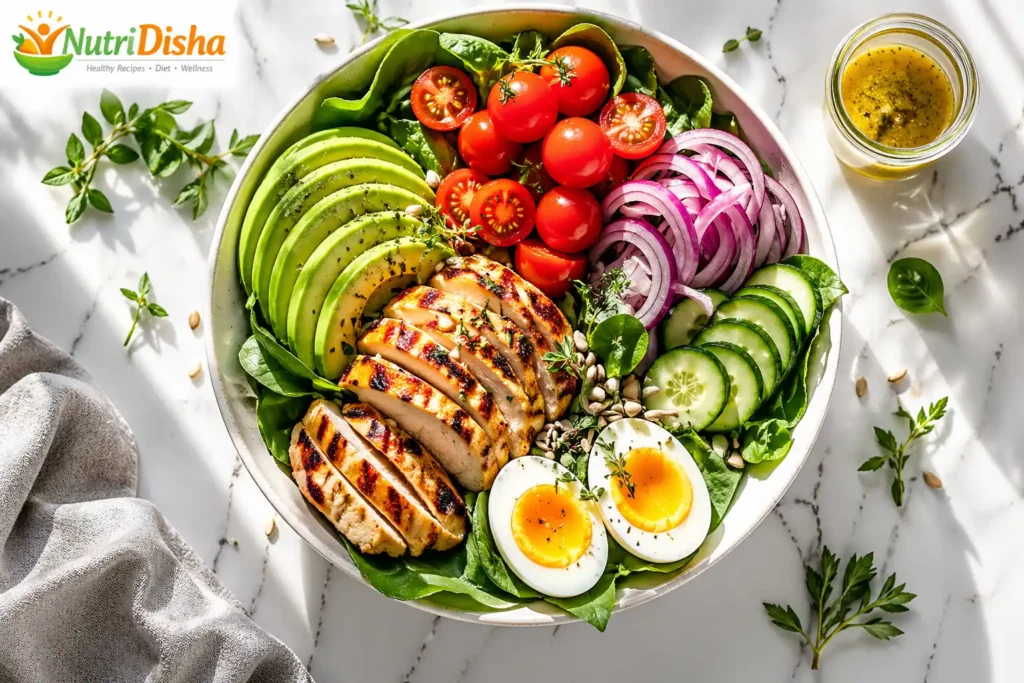
Choose nutrient-dense toppings such as seeds, roasted chickpeas, avocado, boiled eggs, or a small portion of nuts. These provide healthy fats, protein, and texture without overwhelming the nutritional value of the salad.

3. Skipping Protein
A salad made with only lettuce, cucumber, and tomato may look healthy, but it often lacks enough protein to keep you full and satisfied. This can lead to hunger soon after eating and may cause overeating later in the day.
Also Read: 100% Nutritious Assam Mix – The Secret to Growth for Children and Strength for Elderly.
Why It Matters
Protein is essential for muscle maintenance, satiety, and overall metabolic health. Without it, your salad may not qualify as a balanced meal.
Better Option
Add lean protein sources such as grilled chicken, tofu, salmon, beans, lentils, or hard-boiled eggs. According to the Harvard T.H. Chan School of Public Health, healthy protein choices are an important part of a balanced diet.
4. Forgetting Healthy Fats
Some people avoid fats completely because they think all fats are bad. But healthy fats actually help your body absorb fat-soluble vitamins such as vitamins A, D, E, and K, many of which are found in salad vegetables.
Why It Matters
Without a source of healthy fat, your body may not fully absorb important nutrients from leafy greens and colorful vegetables.
Better Option
Include small portions of avocado, olive oil, chia seeds, flaxseeds, walnuts, or sunflower seeds. These healthy fats can improve both flavor and nutrient absorption.
5. Relying on Iceberg Lettuce Alone
Iceberg lettuce is crisp and refreshing, but it is not the most nutrient-dense base for your salad. It contains water and some nutrients, but darker leafy greens offer far more vitamins, minerals, and antioxidants.
Why It Matters
If your salad base lacks variety, you may be missing out on key nutrients like folate, calcium, iron, and vitamin K.
Better Option
Mix in spinach, kale, arugula, romaine, or mixed greens. The Centers for Disease Control and Prevention encourages increasing intake of a variety of vegetables for better health outcomes.
6. Not Including Enough Variety
A boring salad made with only one or two vegetables may not offer the range of nutrients your body needs. Different colored vegetables provide different vitamins, antioxidants, and plant compounds.
Why It Matters
Eating a variety of produce supports immune function, gut health, and disease prevention. The more diverse your ingredients, the better your nutrient profile.
Better Option
Aim for a rainbow of vegetables. Add red bell peppers, purple cabbage, carrots, cucumbers, beets, radishes, cherry tomatoes, and herbs. Variety also keeps your salads more appealing and enjoyable.
7. Choosing Fried or Processed Protein
Many restaurant salads include crispy chicken, processed deli meats, or heavily seasoned meat substitutes. These options may be convenient, but they often contain excess sodium, preservatives, and unhealthy oils.
Why It Matters
Processed and fried proteins can take away from the clean, nourishing purpose of a salad. They may also increase inflammation and reduce the overall quality of your meal.
Better Option
Choose grilled, baked, roasted, or plant-based protein sources with minimal processing. Fresh ingredients make a significant difference in both taste and nutrition.
8. Ignoring Portion Size
Even healthy ingredients can become a problem if portion sizes are too large. Nuts, cheese, avocado, and dressing are all nutritious in moderation, but overdoing them can increase calories quickly.
Why It Matters
If you are trying to maintain or lose weight, portion awareness matters. Eating a giant salad loaded with calorie-dense ingredients can work against your goals.
Better Option
Balance is the key. Use moderate portions and focus on vegetables as the main component of the salad.
Styles come and go. Good design is a language, not a style.
Massimo Vignelli
9. Buying Pre-Packaged Salads Without Checking Labels
Pre-made salads can save time, but they are not always the healthiest choice. Many include sugary dressings, processed meats, fried toppings, and high sodium levels.
Why It Matters
A packaged salad may appear healthy on the front label while containing hidden ingredients that lower its nutritional value.
Better Option
Always read the nutrition label and ingredient list. Look for salads with fresh vegetables, lean protein, and dressing on the side. The U.S. Food and Drug Administration offers helpful guidance on understanding nutrition labels.
10. Thinking Salad Alone Guarantees Weight Loss
A common misconception is that simply eating salad will lead to weight loss. But not all salads are low-calorie, and not all support long-term health. The overall balance of your diet, activity level, and lifestyle habits also play a major role.
Why It Matters
Relying on salad alone without considering ingredients and overall nutrition can lead to frustration and poor results.
Better Option
Think of salad as one part of a healthy eating pattern. Build meals that include fiber, protein, healthy fats, and whole foods in the right balance.
Tips for Building a Truly Healthy Salad
To make your salad both delicious and nutritious, follow this simple formula:
- Start with leafy greens: spinach, romaine, kale, or mixed greens
- Add colorful vegetables: carrots, peppers, tomatoes, cucumber, cabbage
- Include protein: beans, eggs, chicken, tofu, or fish
- Add healthy fats: avocado, olive oil, seeds, or nuts
- Choose smart toppings: roasted chickpeas, herbs, or fresh fruit
- Use dressing wisely: light, homemade, or olive oil-based.
This balanced approach can help you enjoy a salad that supports fullness, energy, and long-term health. Salads can absolutely be one of the healthiest meals you eat, but only when made thoughtfully. Common mistakes such as too much dressing, unhealthy toppings, lack of protein, and poor ingredient choices can ruin the health benefits of your salad without you even realizing it.
The good news is that small changes can make a big difference. By choosing whole, fresh ingredients and balancing your salad with protein, healthy fats, and a variety of vegetables, you can create a meal that is satisfying, nourishing, and truly good for your body.
If you want to improve your diet, don’t just eat more salad — eat smarter salads.